Top Marketing Trends to Watch for During Ramadan 2026
- Karim El Masry
- Mar 10
- 3 min read

Ramadan is a unique period that shapes consumer behavior and marketing strategies across many regions. As 2026 approaches, brands are preparing to engage audiences in fresh, meaningful ways that respect the spirit of the month while meeting evolving expectations. Understanding the key marketing trends during Ramadan 2026 will help businesses connect authentically with their customers and stand out in a crowded market.

Embracing Authentic Storytelling
Consumers during Ramadan seek genuine connections. Brands that share real stories reflecting the values of the month—such as generosity, community, and reflection—tend to resonate more deeply. Instead of generic promotions, campaigns that highlight personal experiences, family traditions, or acts of kindness create emotional bonds.
For example, a food brand might share stories of families preparing Iftar meals together, emphasizing togetherness rather than just product features. This approach builds trust and encourages sharing, which naturally extends the campaign’s reach.
Focus on Purpose-Driven Campaigns
Ramadan is a time of giving and social responsibility. Brands that align their marketing with charitable causes or community support gain positive attention. In 2026, expect more companies to integrate donations, volunteer initiatives, or sustainable practices into their campaigns.
A clothing retailer could launch a program where a portion of sales goes to providing clothing for those in need during Ramadan. This not only drives sales but also reinforces the brand’s commitment to social good, which appeals to conscious consumers.
Leveraging Mobile and Messaging Apps
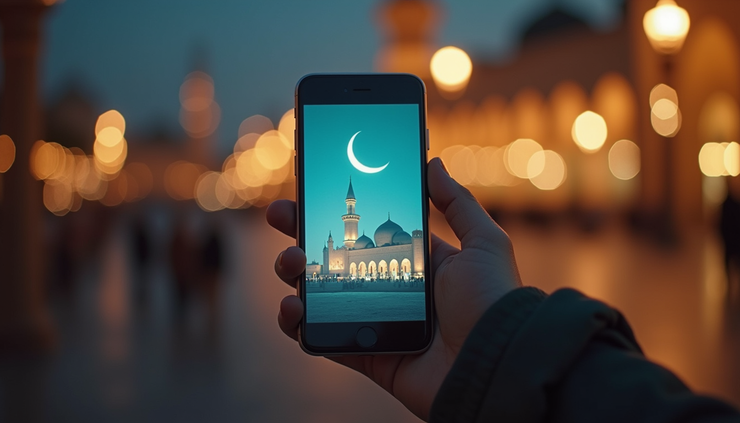
Mobile usage spikes during Ramadan as people stay connected with family and friends, especially during Suhoor and Iftar times. Messaging apps become key platforms for sharing greetings, recipes, and event invitations.
Brands can tap into this trend by creating shareable content optimized for mobile and messaging apps. For instance, short videos with Ramadan tips, interactive quizzes, or digital greeting cards encourage users to engage and share within their networks.
Personalization and Data-Driven Insights
Personalized marketing is more effective than ever during Ramadan. Consumers appreciate offers and content tailored to their preferences and behaviors. Using data insights, brands can segment audiences by factors such as location, age, or shopping habits to deliver relevant messages.
A retailer might send personalized Iftar recipe suggestions based on past purchases or browsing history. This level of customization increases engagement and conversion rates, making campaigns more efficient.
Integrating E-Commerce with Ramadan Traditions
Online shopping continues to grow during Ramadan, especially for gifts, food, and clothing. In 2026, brands will further blend e-commerce with Ramadan traditions by offering curated gift sets, limited-edition products, and exclusive bundles.
Interactive features like virtual try-ons for clothing or augmented reality previews of home decorations can enhance the shopping experience. Additionally, flexible delivery options timed around Iftar and Suhoor hours improve convenience for customers.
Collaborations with Influencers and Community Leaders
Influencers and respected community figures play a significant role in shaping opinions during Ramadan. Collaborations with these individuals help brands reach niche audiences authentically.
For example, partnering with a well-known chef to create Ramadan recipes or a community leader to promote charitable initiatives can boost credibility. These partnerships should focus on meaningful content rather than overt selling to maintain trust.

Sustainability and Ethical Marketing
Consumers increasingly expect brands to act responsibly. Ramadan 2026 campaigns that highlight sustainability—such as eco-friendly packaging, reducing food waste, or supporting local producers—will stand out.
A food brand might promote recipes that use leftover ingredients creatively, encouraging less waste during Ramadan feasts. This approach aligns with the values of mindfulness and respect for resources, resonating well with the audience.
Using Technology to Enhance Experiences
Technology will continue to shape Ramadan marketing. Virtual events, live cooking classes, and interactive storytelling can engage audiences beyond traditional ads.
Brands can host online Iftar gatherings or charity drives, creating a sense of community even when physical gatherings are limited. These digital experiences offer new ways to connect and build loyalty.


Comments